Look beneath
the headline.
Our thinking on Korean intellectual property, commercial rights and the businesses connecting ideas to global markets.

Korea is no longer only exporting culture. It is financing the platforms behind it.
Shinsegae’s $1 billion Warner Bros. acquisition investment opens a different conversation about Korean capital, global franchises and physical distribution.
3 MIN READ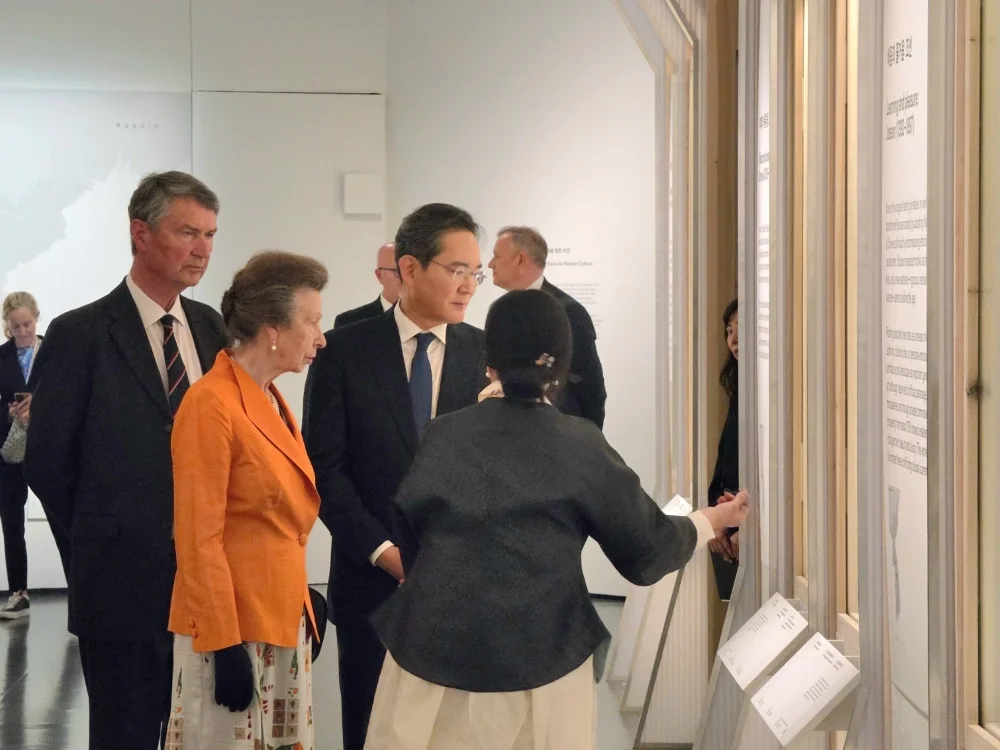
Two thousand years of creativity. A different kind of global presence.
The Lee Kun-hee collection in London shows why Korea’s cultural story is larger than a release cycle—and why heritage should not be confused with a commercial asset.
3 MIN READ
Sovereign AI is a capability. Commercial independence is a business model.
Korea’s foundation-model programme makes the distinction between building a model, controlling its inputs and earning from its deployment increasingly important.
3 MIN READ
A Korean format becomes global infrastructure.
WEBTOON and Disney illustrate a quieter source of IP value: not only owning the story, but owning the way a story reaches its reader.
3 MIN READ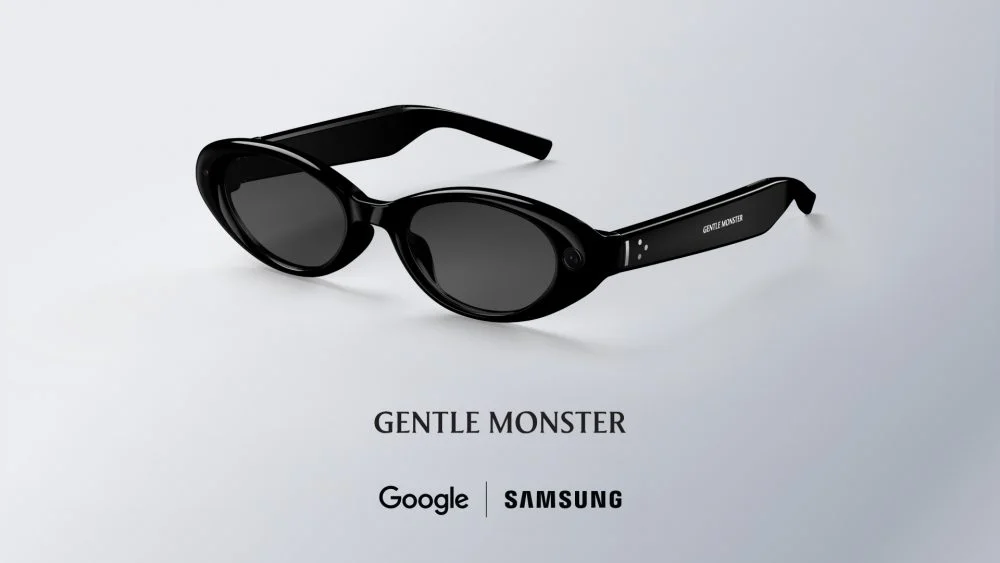
When Korean design becomes the interface to AI.
Gentle Monster’s collaboration with Samsung and Google shows how brand IP can sit directly inside a new technology value chain.
3 MIN READ
A Korean cultural language. A global, multi-format franchise.
KPop Demon Hunters shows how a story can move through film, music, games and consumer products—and why cultural origin and commercial ownership must be separated.
3 MIN READ
Fandom becomes a distribution system.
BTS, ARIRANG and Spotify’s fan experiences show how global audiences move between a digital platform and a physical event.
3 MIN READ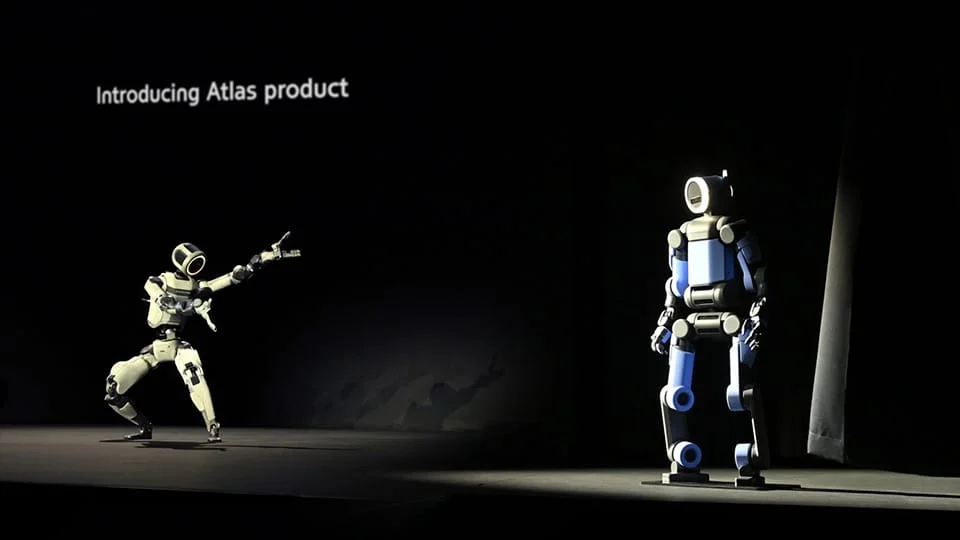
Korea’s AI advantage may live on the factory floor.
Hyundai’s robotics strategy connects software intelligence with industrial know-how, operating sites and an international deployment pathway.
3 MIN READ
The next K-beauty story is in the channel economics.
Amorepacific’s international growth agenda illustrates why brand recognition and cross-border sales are only the beginning of a commercial assessment.
3 MIN READ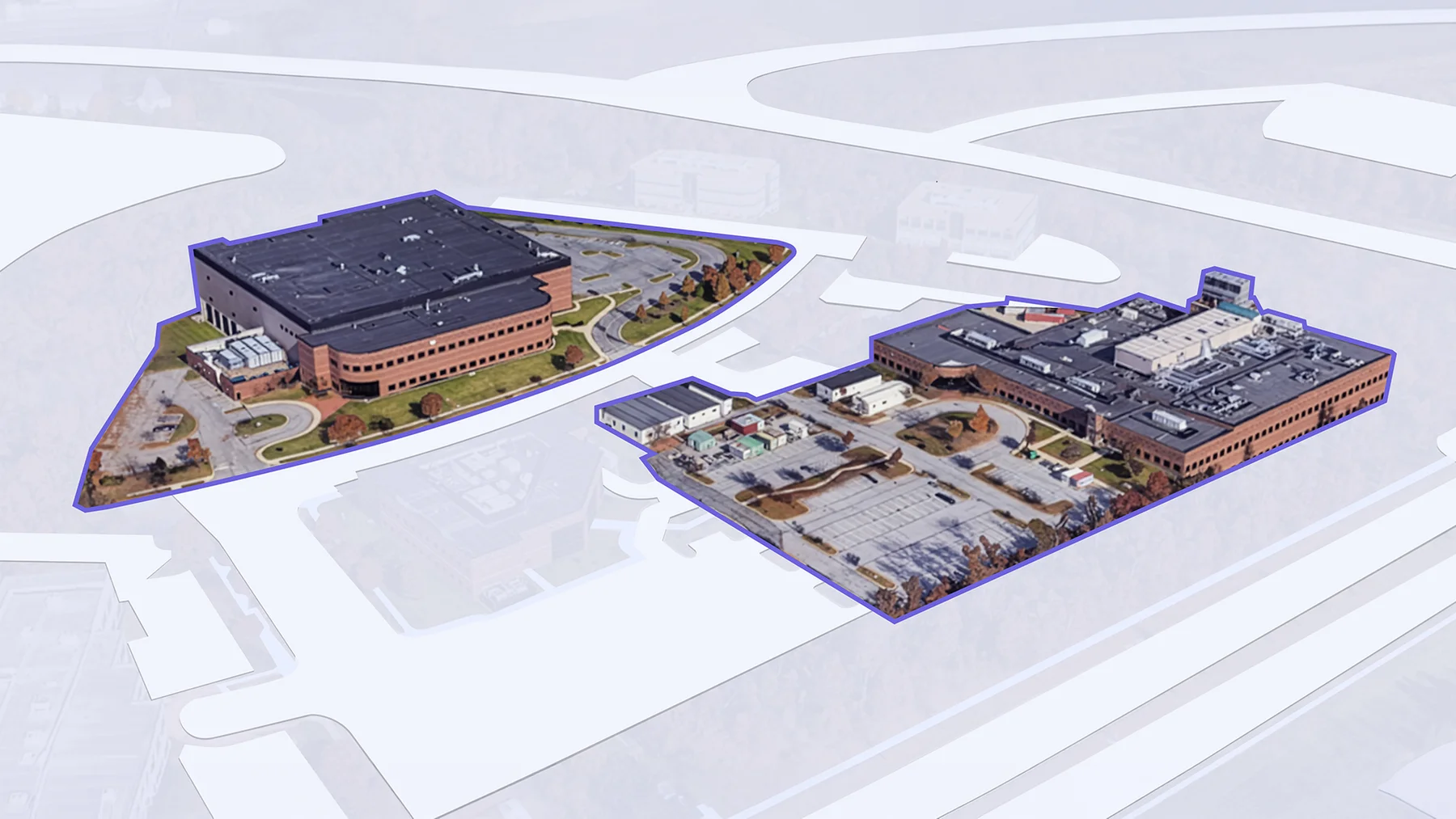
Biotechnology goes global through operating capability, too.
Samsung Biologics’ first U.S. manufacturing presence shows a different cross-border IP pathway: technology transfer, regulated operations and client proximity.
3 MIN READKorean capital can preserve—and extend—global brand heritage.
HARMAN’s Sound United acquisition highlights an IP business model built around established brands, engineering and an international distribution platform.
3 MIN READCompute is becoming industrial infrastructure. Utilisation is the business test.
Korea’s NVIDIA partnerships connect chips, manufacturing and sovereign AI. The investment work begins with the obligations behind that infrastructure.
3 MIN READOpen weights. Specific rights. A new Korean AI business question.
LG AI Research’s model releases show why commercial diligence must follow the exact model version and licence, not a broad “open AI” label.
3 MIN READ
Beyond cultural reach. Into commercial rights.
Why an audience is the beginning of an investment question, not its answer.
4 MIN READInnovation is a foundation. Commercialization is the work.
Reading Korea's research ecosystem through the lens of ownership, validation and customer demand.
4 MIN READ
The business between the sectors.
How Korean IP connects content, technology, brands and experiences without collapsing them into one market.
4 MIN READNo perspectives match this search.